
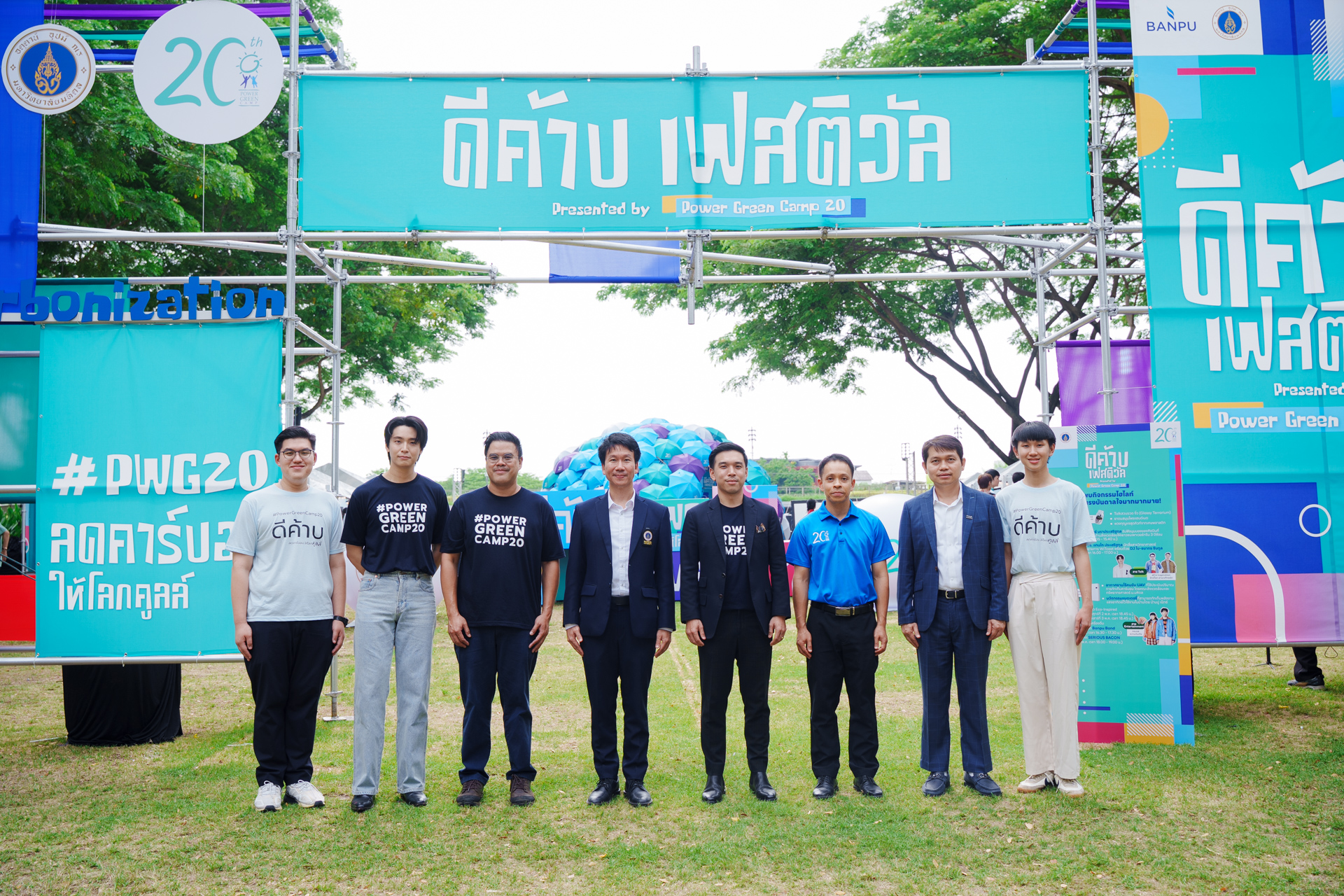
Banpu Public Company Limited, a versatile energy company, in collaboration with the Faculty of Environment and Resource Studies at Mahidol University, is hosting the “Decarb Festival” under the theme ‘The Decarb Mission’ to drive carbon reduction and create a world that thrives. The festival celebrates the 20th anniversary of the Power Green Camp – an initiative aimed at fostering environmental science awareness among youth – with the goal of inspiring the younger generation to leverage science and technology to combat global warming and creatively support decarbonization efforts. The event took place at CU Centenary Park on May 2-3, 2025.
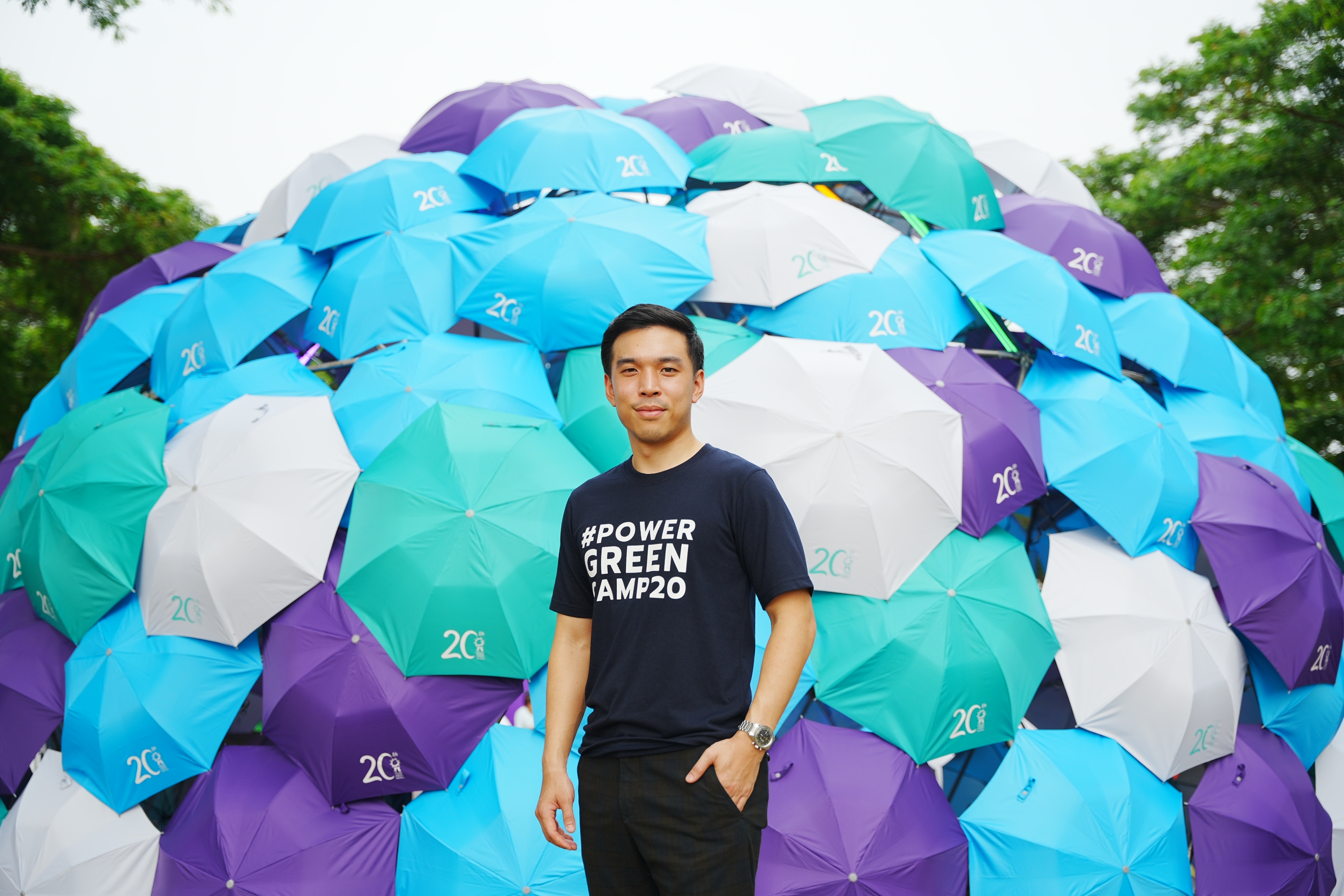
Mr. Sinon Vongkusolkit, Chief Executive Officer of Banpu Public Company Limited, stated, “Banpu is committed to integrating diverse energy sources to develop sustainable energy solutions that align with the rapidly evolving energy trends. Under our Energy Symphonics strategy, we believe that balancing the energy landscape is the key solution for global energy management and contributes to the creation of a low-carbon society. To this end, we have systematically promoted decarbonization across our business portfolio, including initiatives such as carbon capture and sequestration technologies, the development of renewable energy integrated with battery systems, and the promotion of electric vehicles for transportation. These efforts support our goals to reduce carbon emissions by 20% by 2030 and achieve Net Zero by 2050.
Banpu recognizes that achieving carbon reduction goals requires collaboration across all sectors, including governmental, private, academic sectors, as well as the ‘younger generation’. In this spirit, Banpu and Mahidol University have supported the Power Green Camp project for 20 consecutive years. This year, the initiative takes a significant step forward with the launch of the “Decarb Festival,” aimed at inspiring young minds to creatively apply environmental science knowledge in reducing carbon dioxide emissions. The festival also provides a dynamic platform for environmentally conscious individuals to share experiences and insights over two days (May 2–3) at CU Centenary Park.”
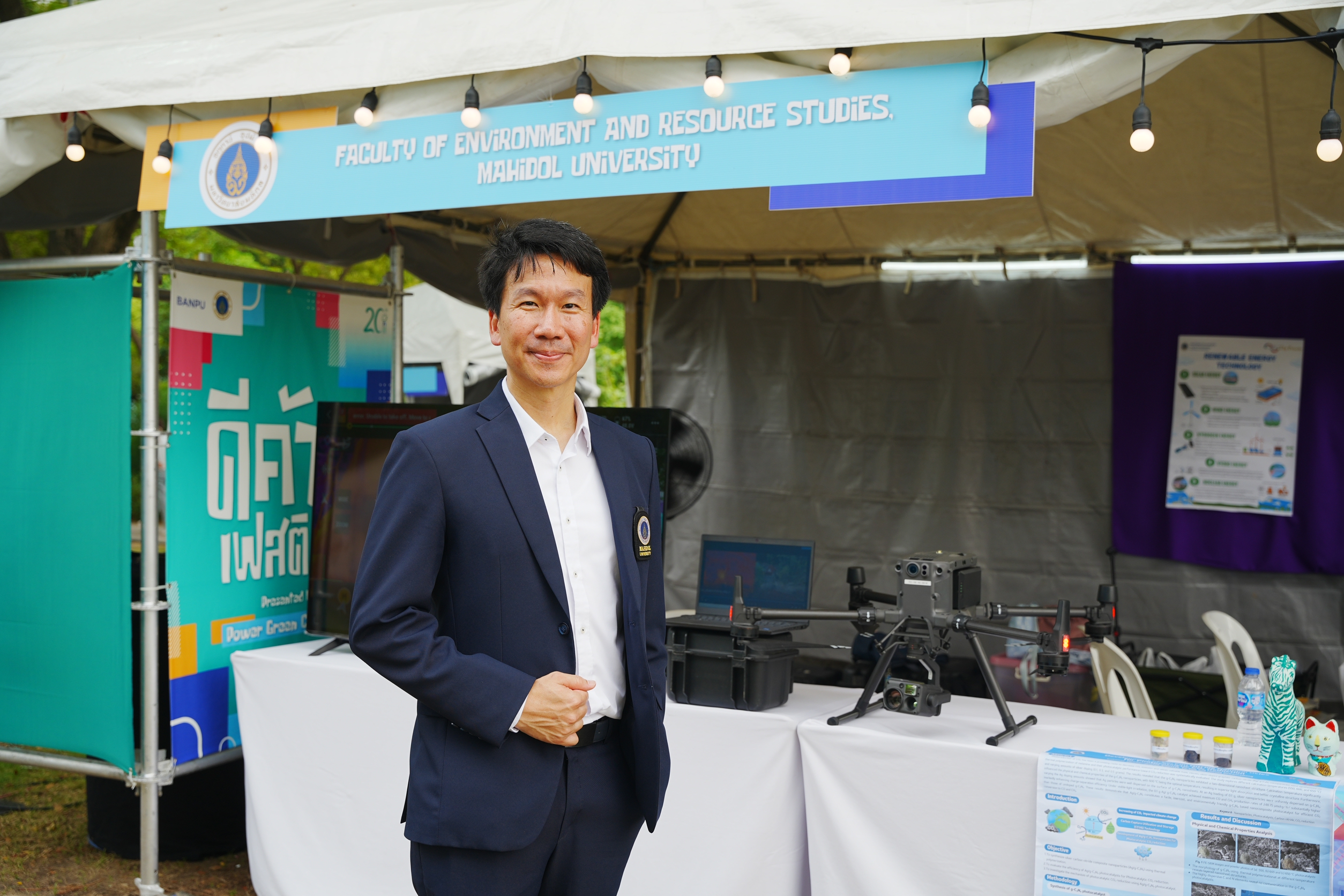
Assistant Professor Dr. Ittichote Chuckpaiwong, Vice President for Infrastructure and Environment, Mahidol University, said, “The world today is grappling with increasingly complex and pressing environmental challenges, including climate change, pollution, and urban expansion—all of which directly affect the quality of life for everyone. At Mahidol University, we have implemented a range of environmental policies, and our Faculty of Environment and Resource Studies is Thailand’s first faculty dedicated to environmental studies. We prioritize an interdisciplinary and integrated approach to education that focuses not only on academic excellence but also on instilling ‘principles and awareness’ for sustainable natural resource management. Through a combination of interdisciplinary learning and hands-on experience, we aim to nurture a new generation capable of addressing interconnected environmental, social, and developmental issues while leading transformative change and responsibly shaping the future. This commitment is embodied in our vision: ‘Top Priority in Environment – When it comes to the environment, it has to be ENVI MAHIDOL.’”
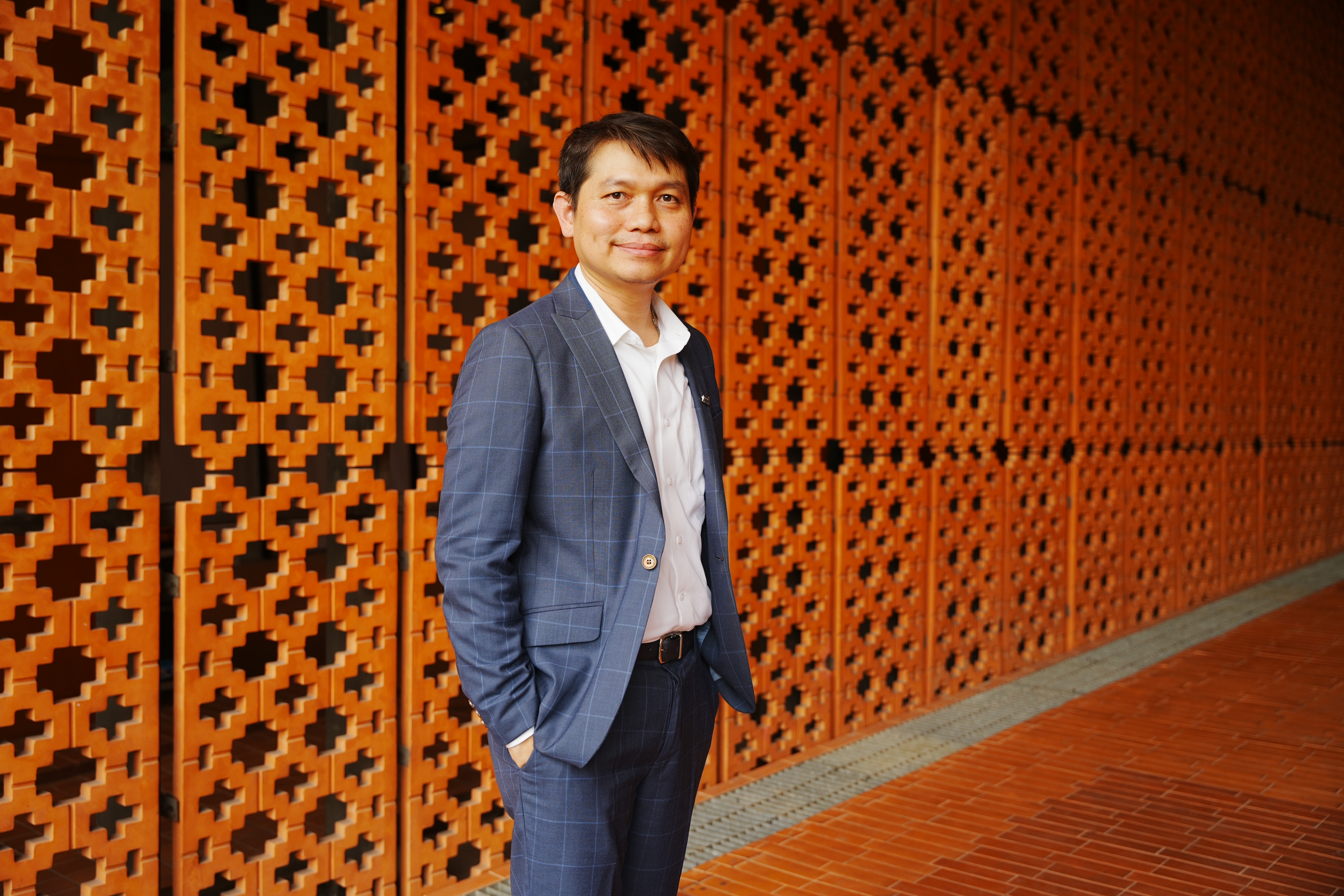
Mr. Sivach Kaewcharoen, Director of the Climate Change Mitigation Division at the Department of Climate Change and Environment (DCCE), said “Thailand is making significant progress with its Nationally Determined Contribution (NDC) Action Plan on Mitigation for 2021–2030, which was approved by the Cabinet on December 11, 2024. This plan outlines ambitious targets, including a 40% reduction in greenhouse gas emissions by 2030, achieving Carbon Neutrality by 2050, and reaching Net Zero Emissions by 2065. To support these goals, the government has established a clear framework for actions to be carried out by relevant agencies across five key sectors: energy, transportation, municipal waste and industrial wastewater management, industrial processes and product use, and agriculture. Additionally, tools and other mechanisms are being developed to support these efforts. While challenges related to technology and funding constraints, the Department of Climate Change and Environment remains steadfast in its commitment to fostering collaboration and encouraging participation from all sectors to achieve these objectives. We firmly believe that sustainable change requires the collective effort of all stakeholders, including the public sector, private sector, educational institutions, and civil society. Furthermore, efforts are underway to empower young people to adapt to and prepare for the impacts of climate change through initiatives such as the CCE Children & Youth and the Eco-school Project, which aim to drive progress towards our shared goal of building a truly low-carbon economy and society.”
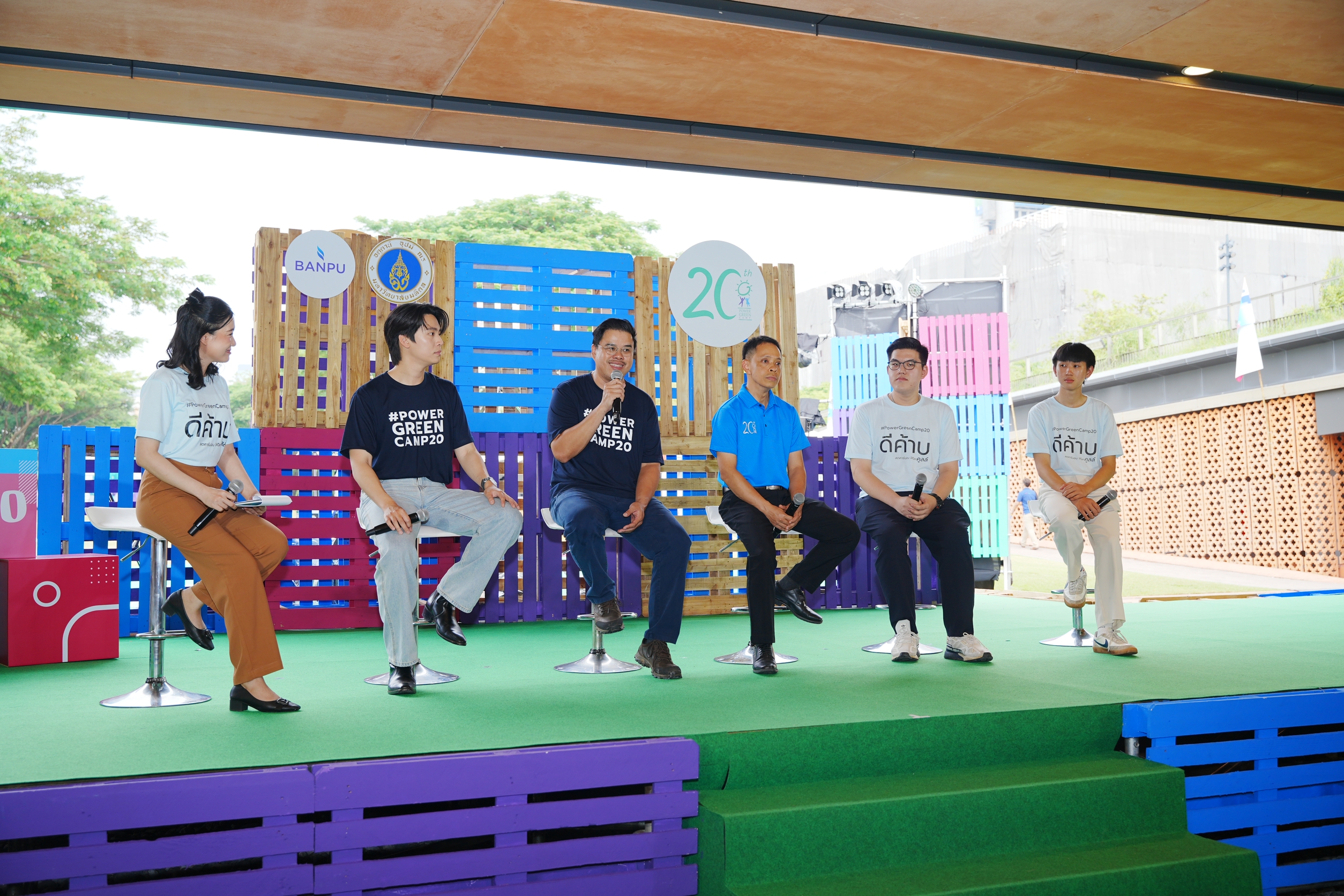
In addition to the panel discussion titled “Interconnected Missions Toward a Low-Carbon Society: Governmental, Academic, and Private Sectors,” the event featured another session, “20 Years of Power Green Camp: Empowering Youth Through Environmental Science.” This session was led by Mr. Rattapon Sukhunthee. Head of Corporate Communications at Banpu Public Company Limited; Associate Professor Dr. Noppol Arunrat, Deputy Dean for Research and Academic Services at the Faculty of Environment and Resource Studies, Mahidol University; Mr. Sarun Naraprasertkul, veterinarian, actor, and environmental advocate; as well as alumni from the 12th and 17th cohorts of the Power Green Camp. The discussion highlighted the role and impact of the Power Green Camp in instilling environmental knowledge and awareness among youth through the integration of science with experiential learning and hands-on practice. It will also examine how the program has fostered youth talent, empowering them to become key drivers of environmental change both today and in the future.
The event was open to the public free of charge and runs daily from now until May 3, 2025, between 10:00 AM and 21:00 PM at CU Centenary Park. To support eco-friendly travel, Banpu has arranged complimentary shuttle services using 100% electric tuk-tuks by MuvMi, operating between MRT Samyan Station and Centenary Park. For more information about the event and its activities, visit the official Facebook page at https://www.facebook.com/powergreencamp.
#EnvironmentalScienceYouthCamp #PowerGreenCamp20
#Decarb #Banpu #ENVImahidol #DecarbFestival
###
About Power Green Camp
The “Power Green Camp,” launched in 2006, has been continuously organized through a collaboration between Banpu Public Company Limited and the Faculty of Environment and Resource Studies at Mahidol University. Guided by the concept of “Environmental Science – Learning to Practice,” the camp’s mission is to equip students with knowledge about the environment and natural resources, inspire participants to develop a deep appreciation for nature while empowering them to apply scientific principles to address environmental challenges systematically. Additionally, the program aims to nurture future leaders and foster a strong network dedicated to environmental protection.
About Banpu
Banpu Public Company Limited is a leading versatile energy provider, operating 3 core groups of businesses -energy resources, energy generation, and energy technology in Thailand, Indonesia, China, Australia, Lao PDR, Mongolia, Japan, the United States of America and Vietnam. The Company is committed to developing sustainable energy solutions, balancing the Energy Trilemma while striving to achieve Net Zero emissions by 2050.