
Board of Directors


1. Determination of Board Structure, Qualifications, and Director Nomination
The company’s governance structure consists of the Board of Directors and the executives. The Board of Directors includes the Chairman, Vice Chairman, and directors in a number appropriate to the size of the company’s business and operations, with a total of no fewer than five members. Additionally, there must be no fewer than half of the directors who are non-executive directors, and at least one-third of the total number of directors must be truly independent from management and free from any business or other relationships that could influence their independent judgment.
The Board of Directors appoints a number of directors from the Board to serve on sub-committees to perform special duties, considering the roles and responsibilities of the sub-committees in comparison with the qualifications of each director. Currently, the Board of Directors has appointed four sub-committees: the Audit Committee, the Compensation Committee, the Corporate Governance and Nomination Committee, and the Environmental, Social, and Governance Committee.
In the nomination of directors, the Board of Directors emphasizes transparency in recruiting qualified individuals to serve as directors. The Corporate Governance and Nomination Committee is assigned to determine and review the qualifications of directors, which include: 1) General qualifications, 2) Specific qualifications that are beneficial and aligned with the company’s strategies and business operations, and 3) Qualifications of independent directors, as well as setting additional criteria to comply with the requirements of the Stock Exchange of Thailand.
- The general qualifications include:
- Not being mentally incapacitated or insane.
- Not having been sentenced to imprisonment by a final judgment, except for offenses committed through negligence.
- Not having been adjudged or ordered by a court to have assets forfeited to the state.
- Not being or having been bankrupt.
- Being able to dedicate sufficient time to the company and not being a director in more than five listed companies.
- Having integrity and accountability.
- Making decisions based on information and reasoning.
- Having maturity, stability, and the courage to express differing and independent opinions.
- Adhering to principled and professional standards.
- Other characteristics deemed important by the Corporate Governance and Nomination Committee.
- Specific Knowledge and Expertise: The committee ensures the board has a diverse mix of skills, gender, and experience, including knowledge of the company’s business, accounting and finance, management, strategy formulation, business decision-making, marketing, corporate governance, and legal matters.
- Independent Director Qualifications: Independent directors must meet general and specific qualifications and comply with the “Practices for the Board of Directors of Banpu Public Company Limited B.E. 2552 (7th Amendment, B.E. 2567).” Independent directors must hold no more than 0.5% of the total voting shares of the applicant, major company, subsidiary, associate, major shareholder, or controlling person of the applicant, including shares held by related persons of the independent director.
The Corporate Governance and Nomination Committee is responsible for screening and nominating directors, considering diversity in the structure and composition of the Board in terms of experience, knowledge, and specific expertise that align with the company’s business strategies, without restrictions on gender, race, nationality, or religion. A Board Skill Matrix is also prepared and used as one of the tools in the nomination process to enhance the efficiency of recruiting qualified directors who are beneficial to the company’s business operations.
2. Performance in Director Nomination
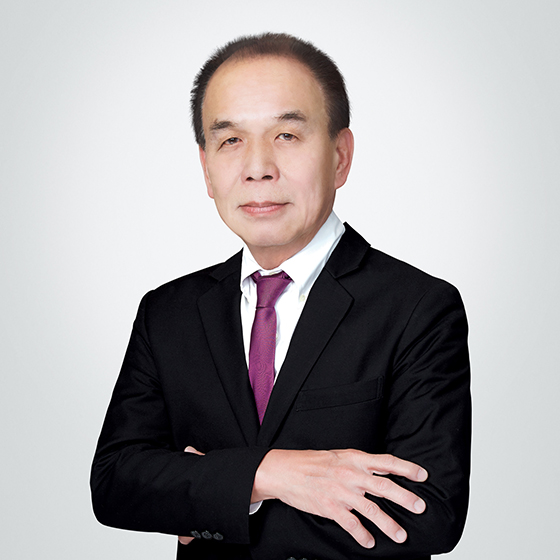
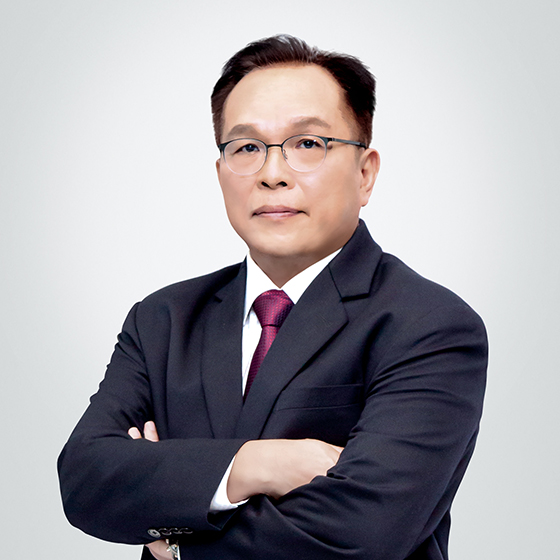
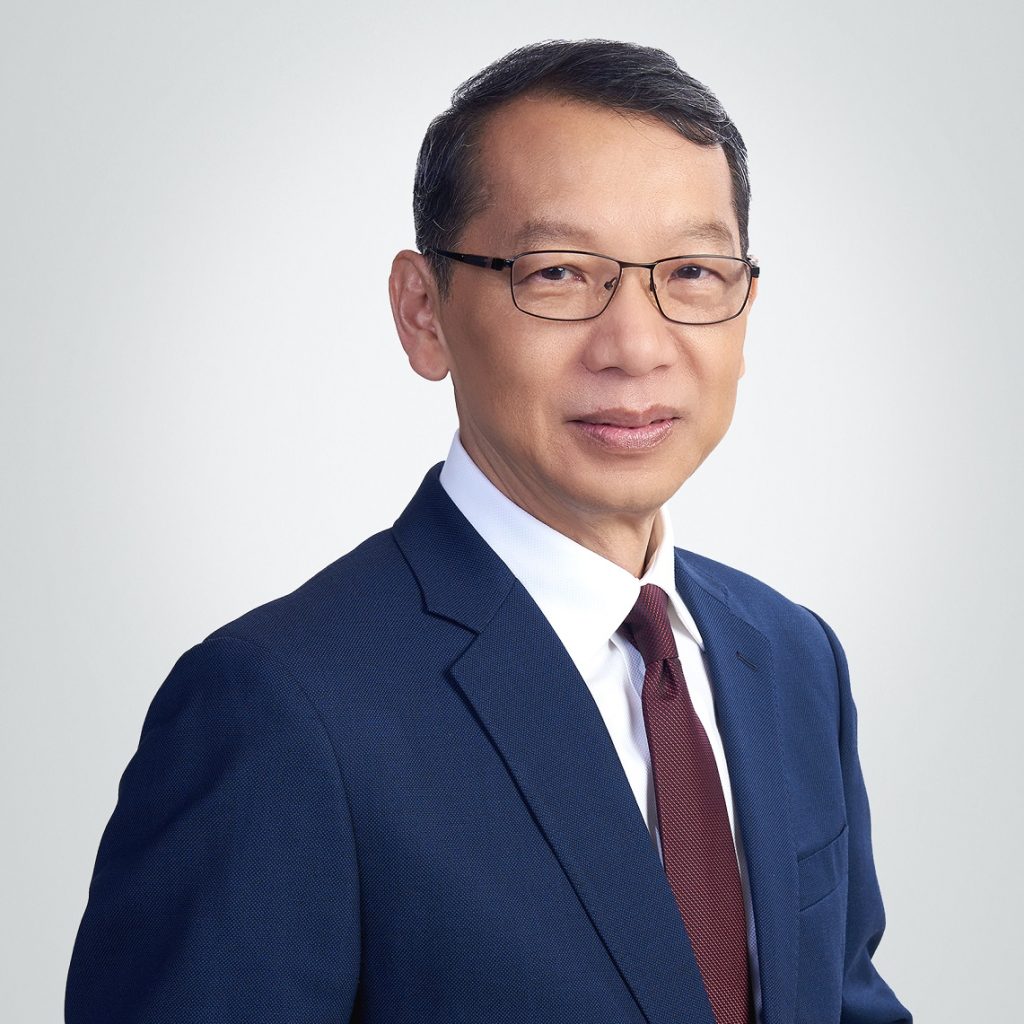
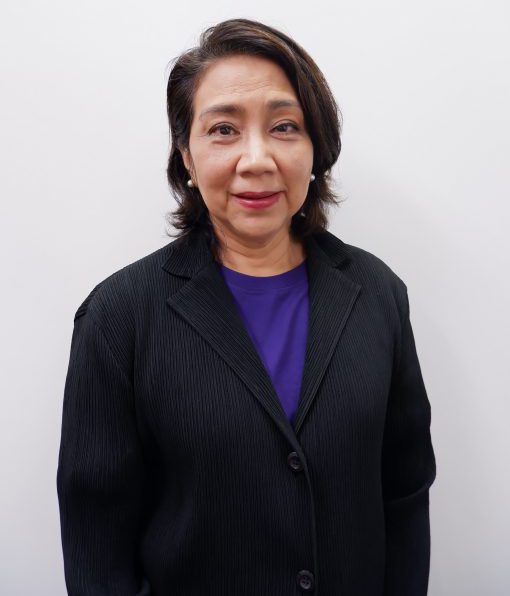
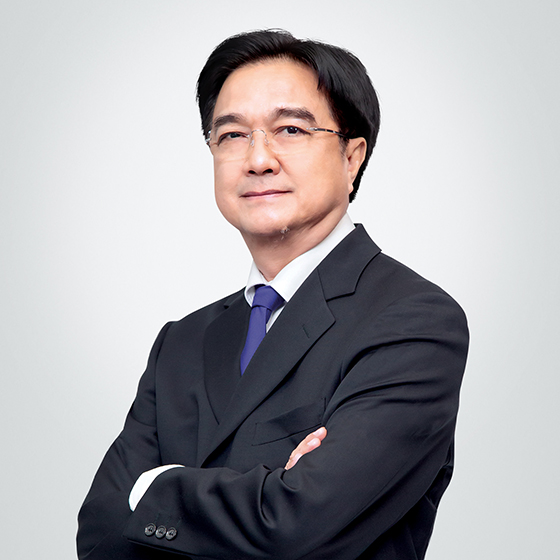
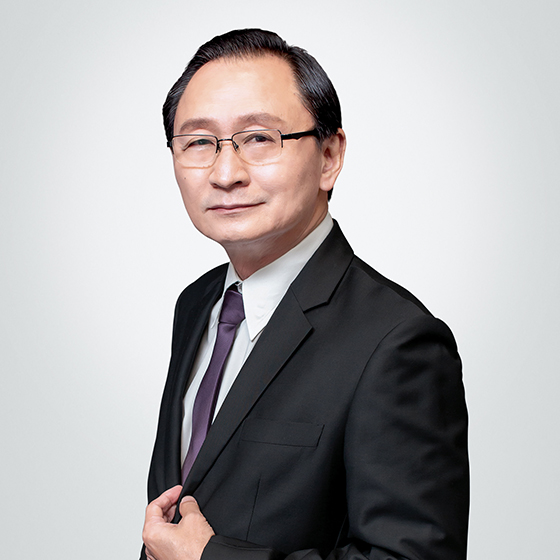
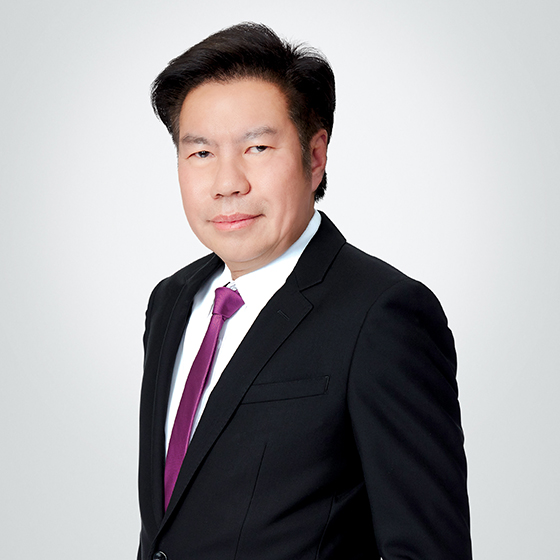
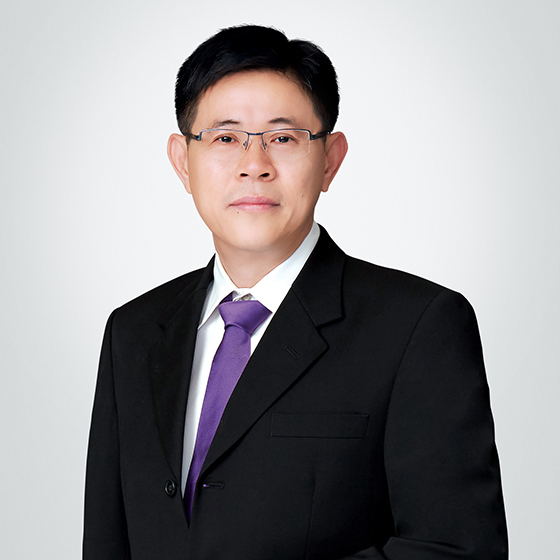
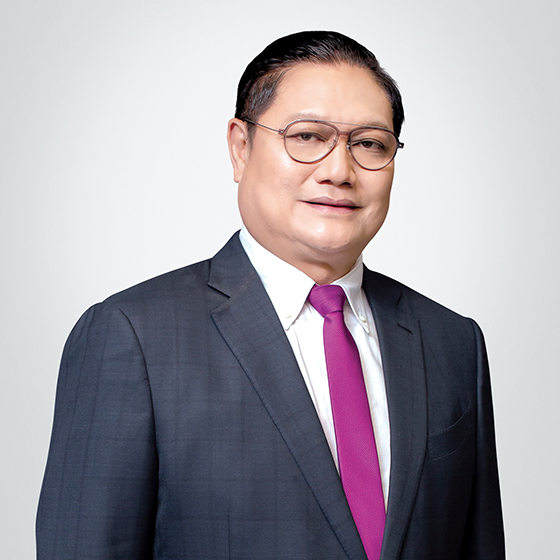
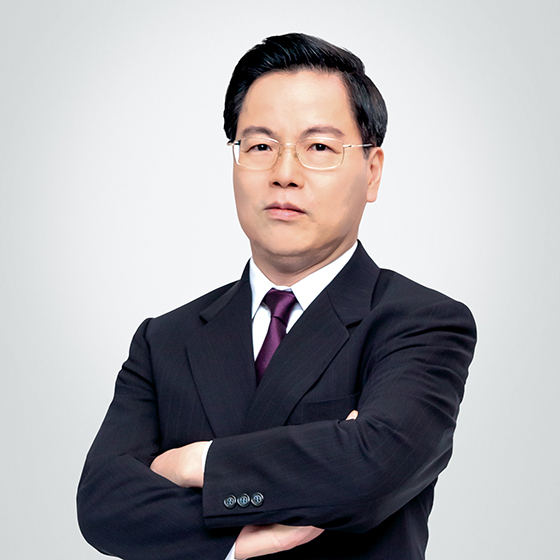
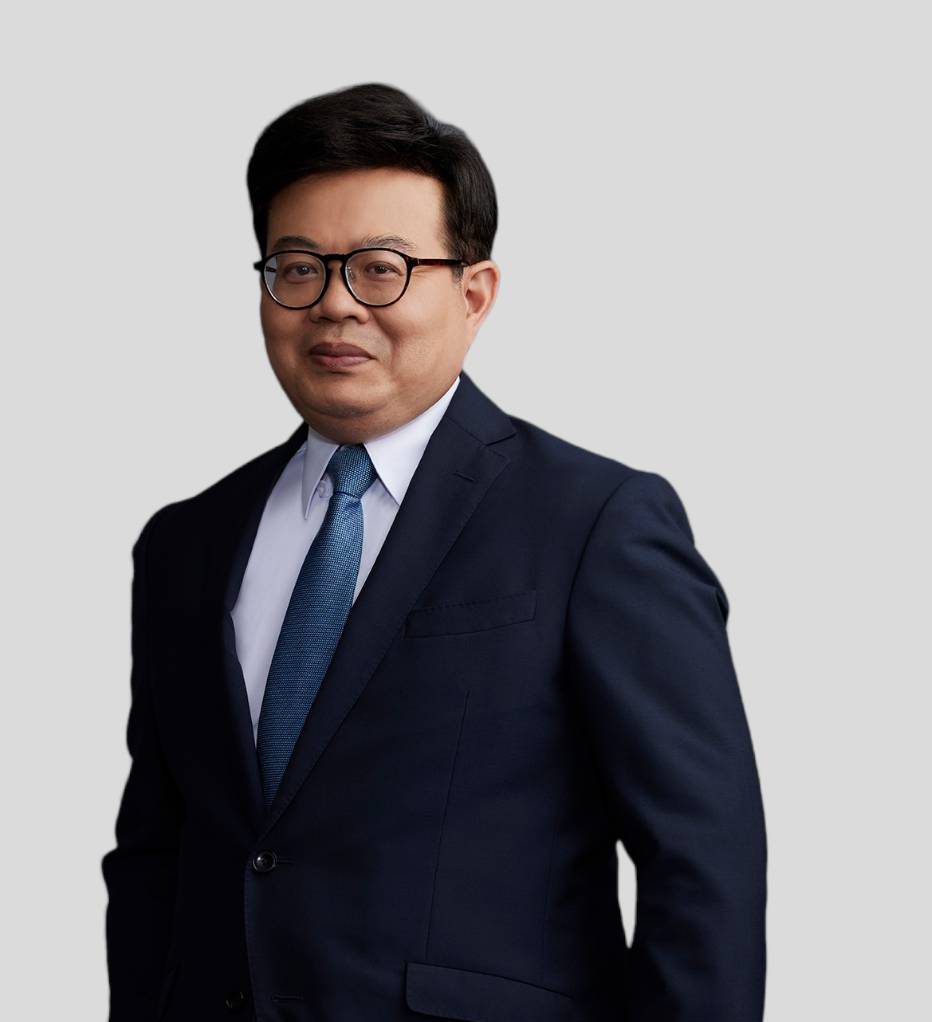
In 2025, the Board of Directors of Banpu Public Company Limited consists of a total of 13 directors: 5 independent directors (38%), 7 non-executive directors (53%) including directors with knowledge of the company’s business, and 1 executive director. The Corporate Governance and Nomination Committee has reviewed the qualifications and suitability of directors whose terms of office expire every three years and proposed to the Board of Directors for approval to nominate them for re-election at the Annual General Meeting of Shareholders. In the 2025 Annual General Meeting of Shareholders, five directors were elected by the shareholders:
- Mr. Chanin Vongkusolkit
- Mr. Sarayuth Saengchan
- Mr. Teerana Bhongmakapat
- Mr. Teerapat Sanguankotchakorn
- Mr. Piriya Khempon
The Corporate Governance and Nomination Committee reviewed the qualifications and suitability of the directors whose terms of office had expired and found that all five directors were qualified and aligned with the company’s business strategies, with good performance records. Therefore, they were successfully proposed to the Board of Directors to be nominated for re-election at the 2025 Annual General Meeting of Shareholders.
Fiduciary duty
Fiduciary duty generally means a professional practice to act in a position of trust, good faith, candor and responsibilities on behalf of other involved persons, a company, organization, and charity. A fiduciary duty is expected to be extremely loyal to the person to whom they owe the duty (the “principal”): they must not put their personal interests before the duty, and must not profit from their position as a person in charge of responsibility.
The Securities and Exchange Committee (SEC) has applied fiduciary duty to the SEC Act (No. 4) B.E. 2551 [2008] by specifying that directors and executives shall perform their duties with responsibility, due care and loyalty; and shall comply with all laws, the objectives of the Company’s articles of association, the Board of Directors’ resolutions, and the shareholders’ meeting resolutions.
Banpu not only complies with regulatory changes, but also provides public access to updated information about its regulatory changes and performance of the Company’s Board members and management’s performance according to the “fiduciary duty” guidelines. Good corporate governance principles have been embedded in the Banpu culture, as is reflected through various internal management checks and balances i.e. ‘Banpu Spirit’ principles, corporate governance policy and code of conduct, corporate governance awareness and implementation, regulatory compliance, fraud management, and the monitoring of compliance to the Board’s resolutions. These mechanisms help promote awareness and shared belief among Banpu’s stakeholders in performing roles with due care, loyalty, and responsibility.
Roles and Responsibilities of the Board of Directors
The Board of Directors has established the Practices for the Board of Directors of Banpu Public Company Limited B.E. 2552 as a guideline for the Board’s operations. This document includes relevant definitions, the composition and criteria of the Board, the qualifications of directors, terms of office and termination, the authorities, duties, and responsibilities of the Board, Board meetings, and voting procedures. The company has continuously revised these practices to enhance the corporate governance standards of the Board and to align with the changing responsibilities and business conditions. The key roles and responsibilities of the Board are as follows:
- The Board is responsible to shareholders for the company’s business operations and governance, ensuring that they align with the goals and strategies that maximize shareholder value, within the framework of good ethics and considering the interests of all stakeholders.
- The Board must comply with laws, objectives, the company’s regulations, and resolutions of shareholders’ meetings, performing their duties with honesty, integrity, and caution to protect the interests of shareholders both in the short and long term.
- The Board oversees the development of the company’s vision, mission, goals, policies, strategic direction, long-term plans, annual plans, and budgets, delegating the management to propose these plans. The Board discusses and collaborates with the management to reach a consensus before approval, and monitors the management’s performance regularly to ensure the achievement of set goals.
- The Board sets the performance targets for the CEO and conducts annual performance evaluations to determine the CEO’s compensation.
- The Board is committed to overseeing management to ensure it meets the set goals, adhering to corporate governance principles and policies.
Approval Authority of the Board
The Board of Directors has designated the following matters as within its authority and responsibility to approve.
- The company’s policies, business strategy, business plan, and annual budget.
- Monthly and quarterly performance reports in comparison to the company’s plan, budget, and business outlook in the following period of the year.
- Investment in a project worth more than THB 1,500 million.
- Using capital investment in a project which exceeds 15 percent of the approved budget or has a value more than THB 1,000 million.
- Purchase and disposal of assets, acquisitions, and participation in joint venture projects, which are not conflicting with the SEC’s and SET’s rules, for an amount that exceeds the CEO’s authority.
- Transactions which could materially affect the company’s financial status, liabilities, business strategy, and/or reputation.
- Entering into a contract either unrelated to the normal course of business or related and materially significant.
- Parts of a connected transaction between Banpu, its subsidiaries or affiliates, and related individuals according to the Securities and Exchange Act B.E. 2535 amended by the Securities and Exchange Act (No. 4), B.E. 2551.
- Any transaction which may cause the Debt-to-Equity Ratio of the company’s consolidated balance sheets to exceed 2:1.
- Payment of an interim dividend.
- Net borrowing that exceeds a maximum amount stated in a budget or that exceeds an annual estimate of more than THB 5 billion.
- Changes in policy and practices with material implications to accounting, risk management, and financial reserves.
- Significant changes in financial and management control.
- Determination and review of authorization granted to the CEO and Executive Officers (EO).
- Recruitment and the appointment of a CEO, along with the approval to recruit and employ EOs, a COO, and a CFO.
- Approval of budget, salary, bonus or bonus formula, and formula to adjust annual remuneration packages of senior executives and employees.
- Nomination, appointment, and termination of directors and the Company Secretary or Secretary of the Board of Directors.
- Authorization given to the Chairman of the Board of Directors, CEO, or any director, and amendments to such authorization.
- Appointment and determination of duties of sub-committees as well as appointment of an independent director as “Lead Independent Director,” in the event that the Chairman of the Board is not an independent director.
- Establishing and supervising the management on the basis of the Corporate Governance policy and practices, encouraging consciousness of ethics & morality, and performing duties in compliance with Corporate Governance Policy, Code of Conduct, and Anti-Corruption Policy.
- Appointment of directors or executives as directors of subsidiary and affiliated companies.
- Registration of a new company and dissolving the company.
- Revision of the company’s Vision and Mission at least once every 5 years.
- Directors have a duty to keep corporate information strictly confidential, especially internal information not to be disclosed to the public or information that may affect its business or share price pursuant to the Securities and Exchange Act B.E. 2535 (As amended). The following are practices in regard to the use of Company information by performing the following:
- In case the information is a report based on an accounting period such as an operating result, financial statements, and an annual report, directors must refrain from trading Banpu’s shares not less than 30 days prior to the information disclosure to the public.
- In case the information is a report of Banpu’s action in a particular situation, such as acquisition/disposal of assets, connected transactions, joint venture/cancellation of joint venture, capital increase/capital reduction, issuance of new securities, repurchase of own shares, payment or non-payment of dividend or incidents that affect Banpu’s share prices, in such cases, directors shall refrain from trading the Company’s shares from the period he/she learns of the information to the day Banpu discloses the information to the public.
- Amendment of the Board of Directors’ scope of approving power as described in Clause 1 – 24.
Roles and Responsibilities of the Management
To clearly separate the scope of oversight and management, the company has assigned the management, led by the CEO, the following key roles and responsibilities:
- The management collaborates with the Board in developing the business direction and long-term strategic plans to align with the company’s vision and mission. The CEO, appointed and delegated by the Board, is responsible for business operations, development, and strategy implementation.
- The management uses the Board’s recommendations as a guideline for further development, setting business direction, long-term strategic plans, annual plans, budgets, and staffing levels, which are then proposed to the Board.
- The CEO delegates authority to executives and senior management of various business units both domestically and internationally, according to the Delegation of Authority.
- The CEO evaluates executives and senior management in a hierarchical manner using goals and criteria aligned with the Company’s strategic plan and annual work plan, as well as the CEO’s own performance targets, in order to determine appropriate compensation packages and incentives.
Process and Criteria for Nominating Directors
The Corporate Governance and Nomination Committee is responsible for selecting directors to replace those whose terms have expired or to fill vacant positions for other reasons. The process includes the following steps:
- Review the Structure and Composition of the Board: The committee reviews the overall structure and composition of the board to strengthen its overall effectiveness.
- Review General and Specific Qualifications: The committee reviews general qualifications, specific qualifications, and qualifications for independent directors. Additional criteria are set to align with the company’s business strategy and comply with the regulations of the Stock Exchange of Thailand.
- The general qualifications include:
- Not being mentally incapacitated or insane.
- Not having been sentenced to imprisonment by a final judgment, except for offenses committed through negligence.
- Not having been adjudged or ordered by a court to have assets forfeited to the state.
- Not being or having been bankrupt.
- Being able to dedicate sufficient time to the company and not being a director in more than five listed companies.
- Having integrity and accountability.
- Making decisions based on information and reasoning.
- Having maturity, stability, and the courage to express differing and independent opinions.
- Adhering to principled and professional standards.
- Other characteristics deemed important by the Corporate Governance and Nomination Committee.
- Specific Knowledge and Expertise: The committee ensures the board has a diverse mix of skills, gender, and experience, including knowledge of the company’s business, accounting and finance, management, strategy formulation, business decision-making, marketing, corporate governance, and legal matters.
- Independent Director Qualifications: Independent directors must meet general and specific qualifications and comply with the “Practices for the Board of Directors of Banpu Public Company Limited B.E. 2552 (7th Amendment, B.E. 2567).” Independent directors must hold no more than 0.5% of the total voting shares of the applicant, major company, subsidiary, associate, major shareholder, or controlling person of the applicant, including shares held by related persons of the independent director.
- The general qualifications include:
To replace directors whose terms have expired or fill vacant positions, the committee considers names from the Director Pool and allows all board members to propose suitable candidates. The board also announces its diversity structure on the company’s website, allowing minority shareholders to propose suitable candidates within specified timeframes and conditions.
All proposed names from the board and minority shareholders undergo a selection process, considering knowledge, skills, experience, general qualifications, and specific qualifications (Board Skill Mix) beneficial to the board’s structure and collaboration. The list of candidates will be more than twice the number of vacant director positions.
After the selection process, the Corporate Governance and Nomination Committee proposes the candidates to the board for approval and then to the annual general meeting of shareholders for appointment. The shareholders’ meeting approves the appointment of directors with a majority vote of more than half of the total votes of shareholders present and eligible to vote, with individual voting for each director.
Independent Directors Qualifications
Banpu Public Company Limited has defined the definition of Independent Directors which is equaled to those defined by Securities and Exchange Commission and the Stock Exchange of Thailand.
“Independent Director” of the Company means the director who possesses the following qualifications:
1. Holds shares not exceeding 0.5% of the total shares with voting right of the applicant, its parent company, subsidiaries, associates, major shareholders, and controlling parties of the applicant, provided that the shares held by the related parties of such independent director shall be included.
2. Is not or has never been an executive director, employee, staff, advisor who receives salary, nor controlling parties of the applicant, its parent company, subsidiaries, associates, same-level subsidiaries, major shareholders, or controlling parties of the applicant unless the foregoing status ended at least 2 years prior to the date of submitting the application to the Securities and Exchange Commission (SEC), provided that such prohibition shall not include the case that such independent director has ever been official or advisor of the government sector that is the major shareholder or controlling party of the applicant.
3. Is not the person who has relationship by means of descent or legal registration under the status of father, mother, spouse, brothers and sisters, and children. The prohibitive persons also include spouses of daughters and sons of management, major shareholders, controlling party or the person who is in the process of nomination to be the management or controlling party of the applicant or its subsidiary.
4. Have no or never had business relationship with the applicant, its parent company, subsidiaries, associates, major shareholders, or controlling parties of the applicant in respect of holding the power which may cause the obstacle of the independent decision, including not being or never been the significant shareholder, or controlling parties of any person having business relationship with the applicant, its parent company, subsidiaries, associates, major shareholders, or controlling parties of the applicant unless the foregoing status ended at least 2 years prior to the date of submitting the application to the SEC.The business relationship mentioned under the first paragraph shall include business transaction in ordinary business manner of rent, or lease the immovable property, transaction related to assets or services, or the financial support regardless of being lent or borrowed, guaranteed, secured, by assets, debt, and any otherwise similar performance which causes liability or obligation to the applicant or counter party, have provided that such liability is equal to or exceed 3% of the net tangible assets of the applicant or equal or above 20 million baht, whichever is lower. In this regard, the calculation of such liability shall be in accordance with the calculation method of the value of connected transaction under the Notification of Capital Market Supervisory Board governing the conditions of connected transaction mutatis mutandis. The liabilities incurred during a period of 1 year prior to the date of having business relationship with the above party shall be included on calculation of such liabilities.
5. Is not or has never been the auditor of the applicant, its parent company, subsidiaries, associates, major shareholders, or controlling parties of applicant, and is not the significant shareholder, controlling parties, or partner of the auditing firm which employs such auditor of the applicant, its parent company, subsidiaries, associates, major shareholders, or controlling parties of the applicant unless the foregoing status ended at least 2 years prior to the date of submitting the application to the SEC.
6. Is not or has never been the professional service provider, including but not limited to legal service or financial advisor with received service fee more than 2 million baht per year from the applicant, its parent company, subsidiaries, associates, major shareholders, or controlling parties, and is not the significant shareholder, controlling parties, or partner of the above mentioned service firms unless the foregoing status ended at least 2 years prior to the date of submitting the application to the SEC.
7. Is not the director who is nominated to be the representative of directors of the applicant, major shareholders, or any other shareholder related to the major shareholders.
8. Do not operate the same and competitive business with the business of the applicant, or its subsidiaries, or is not a significant partner of the partnership, or is not an executive director, employee, staff, advisor who receives salary, nor holds shares for more than 1% of the total shares with voting right of any other company which operates same and competitive business with the business of the applicant, or its subsidiaries.
9. Is not any otherwise which is unable to have the independent opinion regarding the business operation of the applicant.
After being appointed as the independent director in accordance with the conditions under the article (1) – (9), such independent director may be assigned by the board of directors to make decision in respect of collective decision on business operation of the applicant, its parent company, subsidiaries, associates, same-level subsidiaries, major shareholders, or controlling parties of applicant.
Where the person appointed by the applicant to be the independent director is the person who has or ever had the business relationship with or ever rendered professional service with higher service fees specified under the article (4) and (6), the applicant shall be relaxed from such prohibition related to the conditions of having the business relationship with or ever rendered professional service with higher specified service fees if only the applicant has provided the opinion of the board of directors of the company showing that the board has considered the issue in accordance with the Section 89/7 and found that there is no interference in the independent opinion, and the following information shall be disclosed in the notice of shareholders meeting under the agenda considering the appointment of independent director.
(a) the business relationship or the professional service providing which cause such person being unqualified
(b) reasons and necessity to insist the appointment of such person as the independent director
(c) the opinion of the board of directors of the applicant to propose such person to be the independent director
For the benefit of the article (5) and (6), wording “partner” shall mean the person who is assigned by the auditing firm, or the professional service provider to be the signatory in the audit report or the report of rendering the professional services (as the case may be) on behalf of the firm.
Company Secretary
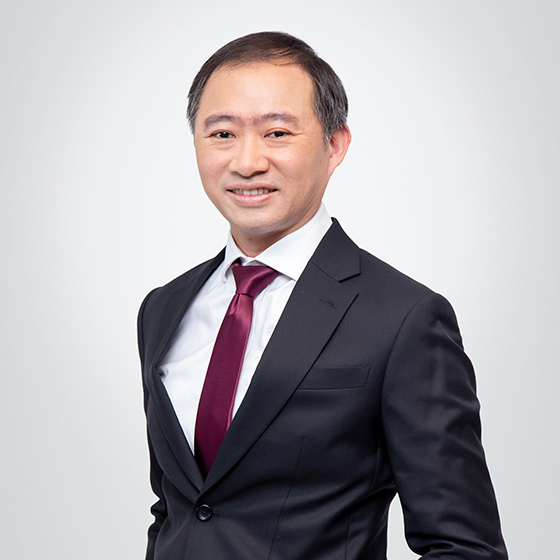
The Board of Directors has appointed Mr. Virach Vudhidhanaseth as Company Secretary, whose duties and responsibilities are as stipulated in the Securities and Exchange Act (No.5), B.E. 2559, an amendment of the Securities and Exchange Act B.E. 2535.
Sub Committee
Sub Committee
Management-Level Committee
Succession Planning Committee
To ensure efficient management within the Company, 5 management-level committees – namely, the Succession Planning Committee, the Investment Committee, the Risk Management Committee, the Commodity Risk Management Committee, and the Sustainable Development Committee – have been established. These 5 management-level committees are obliged to report to the relevent subcommittees and the Board of Directors, accordingly.
The Succession Planning Committee is composed of:
- Chief Executive Officer (CEO)
- Chief Financial Officer (CFO)
- Head of Mining Business
- Head of Power Business
- Head of Human Resources
- Head of Corporate Development
- Head of Corporate Services
- Head of Global Internal Audit and Compliance
Roles and Responsibilities of the Succession Planning Committee
- To approve and drive the execution of Banpu high potential and succession planning management policy
- To identify and review high potential and potential successors of key positions by considering Banpu’s business requirements and/or the changes in organizational structure
- To consider and approve high potential and potential successor list
- To consider and approve career development of high potential and potential successors
- To monitor development plan implementation and review development progress of high potential and potential successors
- To review and decide on the adjustment of the succession plan management policy and system
Investment Committee
To ensure efficient management within the Company, 5 management-level committees – namely, the Succession Planning Committee, the Investment Committee, the Risk Management Committee, the Commodity Risk Management Committee, and the Sustainable Development Committee – have been established. These 5 management-level committees are obliged to report to the relevant subcommittees and the Board of Directors, accordingly.
The Investment Committee is composed of:
- Chief Executive Officer (CEO)
- Chief Financial Officer (CFO)
- Head of Mining Business
- Head of Power Business
- Head of Corporate Development
- Head of Corporate Services
Roles and Responsibilities of the Succession Planning Committee
- To assist CEO in evaluation of project opportunities
- To allocate resources to appropriate development stage in Banpu’s best interest
Banpu’s Investment Policy Among others, the following, but not limited to, key assessment areas shall be considered by the Investment Committee:
- Strategic fit with the Company’s objectives
- Equity participation / Management control
- Project economics in relation to the undertaking’s risks
- Technology
- Financing structure / Portfolio impact
- Social and environmental impact
Risk Management Committee
To ensure efficient management within the Company, 5 management-level committees – namely, the Succession Planning Committee, the Investment Committee, the Risk Management Committee, the Commodity Risk Management Committee, and the Sustainable Development Committee – have been established. These 5 management-level committees are obliged to report to the relevant subcommittees and the Board of Directors, accordingly.
The Risk Management Committee is composed of:
- Mr.Sinon Vongkusolkit (Executive Director/Chief Executive Officer) as chairperson
- Dr.Kirana Limpaphayom (Chief Operating Officer)
- Mr.Smittipon Srethapramote (Chief Executive Officer of Banpu Next)
- Ms.Arisara Sakulkarawek (Chief Financial Officer)
- Mr.Wittapon Jawjit (Head of Human Resources)
- Mr.Jirameth Achcha (Head of Corporate Services)
- Mr.Virach Vudhidhanaseth (Head of Group Strategy and Risk Management)
With the Corporate Risk Manager serving as the secretary of the Risk Management Committee
Roles and Responsibilities of the Risk Management Committee
- Define the policy framework and processes for risk management
- Promote and implement the risk strategy and policy and provide guidance on the management of risk
- Monitor progress of any major risk mitigation strategies including status of risk assessments for major project
- Support the monitoring of risks across Banpu
- Report to the Board / relevant committees on the adequacy of Banpu’s systems and controls for managing risk
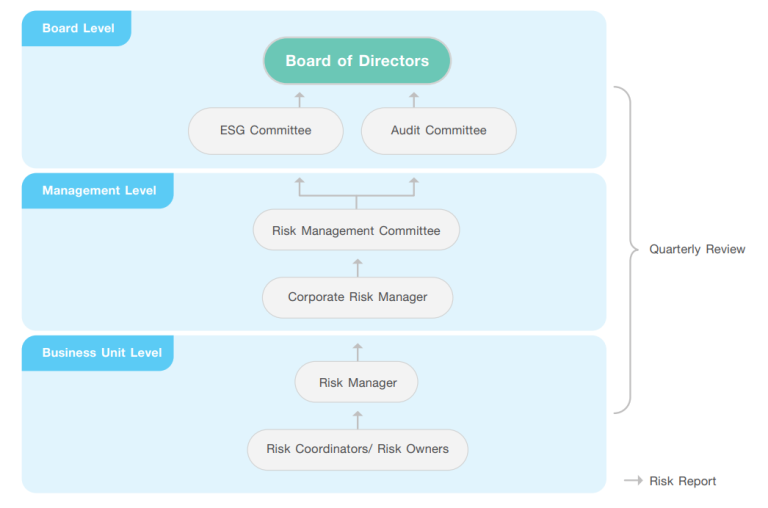
Banpu’s Risk Management Policy
According to Banpu’s risk management policy, apart from professional risk assessment provision for capturing business opportunities to the company, any hazards or unforeseen event that threaten the Company’s achievement of business objectives or business plans shall be managed in a systematic manner and in accordance with the risk management best practices, in order to protect the Company from losses.
Risk Management Committee Report
Risk Management Committee Report 2025
Commodity Risk Management Committee
To ensure efficient management within the Company, 5 management-level committees – namely, the Succession Planning Committee, the Investment Committee, the Risk Management Committee, the Commodity Risk Management Committee, and the Sustainable Development Committee – have been established. These 5 management-level committees are obliged to report to the relevant subcommittees and the Board of Directors, accordingly.
The Commodity Risk Management Committee is composed of:
- Chief Executive Officer
- Deputy Chief Executive Officer
- Chief Operating Officer
- Chief Financial Officer
- Head of Strategy & Business Development
- Head of Marketing, Sales & Logistics
- Financial Advisor
Roles and Responsibilities of the Commodity Risk Management Committee
- To oversee and carry out the Company’s day-to-day commodity risk management (at present, only Coal and Fuel Oil)
- To establish and maintain an effective management control system for the commodity hedging, and supervise the risk monitoring and control to ensure conformity with all regulatory requirements
- To inform the Board of the progress of its principal works through CEO/President, Director or a designated person
Banpu’s Commodity Risk Management Policy
- To avoid and mitigate risks due to changes in market-price conditions
- To stabilize the Company’s net revenue
Sustainability Committee
To ensure efficient management within the Company, 5 management-level committees – namely, the Succession Planning Committee, the Investment Committee, the Risk Management Committee, the Commodity Risk Management Committee, and the Sustainability Committee – have been established. These 5 management-level committees are obliged to report to the relevant subcommittees and the Board of Directors, accordingly.
The Sustainability Committee is composed of:
- Chief Executive Officer (CEO)
- Head of Mining Business
- Head of Oil & Gas Business
- Head of Power Business
- Head of Corporate Services
- Head of Corporate Communications
- Head of Corporate Development
- Head of Human Resources
- Country Heads
- Head of Investor Relations
- Head of Corporate Secretary
- Head of Renewable and Energy Technology Business
- Vice President – Enterprise Risk Management
- Senior Vice President – Health, Safety, Environment and Community Engagement (secretary)
Roles and Responsibilities of the Sustainability Committee
- To determine the Company’s sustainability policy as well as other policies and management frameworks that are acceptable to the community and society in order to strengthen the competitiveness of the Company
- To track the performance of business units within Banpu group in the areas of occupational health, environment, safety, economy and society which can influence the decision making that may affect various stakeholders, thus, their trust in the Company
- To track the performance of other operations within Banpu group and ensure compliances with sustainability policy
Management Approach
For Banpu, sustainability means long-term existence, and is the combined result of our business performance, our people and our corporate culture. It is our ambition not just to exist in the long run but to bring sustainable growth and development to society, to the environment and to our stakeholders. We aim to become the dynamic regional energy provider. Proactivity, flexibility, excellence in quality as well as internationally accepted frameworks, are fundamental to our sustainable growth.