
Banpu Unveils 5 Key Strategies for Social Enterprises to Navigate Economic Downturns

As the current economic slowdown affects businesses across all sectors, the Banpu Champions for Change (BC4C) project, a collaboration between Banpu Public Company Limited and ChangeFusion, proposes five strategies to help Thai Social Enterprises (SEs) ‘survive and thrive’ through these challenging economic conditions, ensuring their continued positive contribution to Thai society and economy.

Mr. Sunit Shrestha, Managing Director of ChangeFusion, emphasized the current pressures on SEs: “Social Enterprises are facing multifaceted challenges, from rising operational costs and contracting purchasing power to challenges in accessing funding, especially for business models primarily relying on sales of products and services. In response, BC4C is presenting five strategic approaches to help Thai SEs recalibrate their business perspectives to align with the current economic context, enabling them to identify ‘new opportunities’ that can ignite significant growth.”:

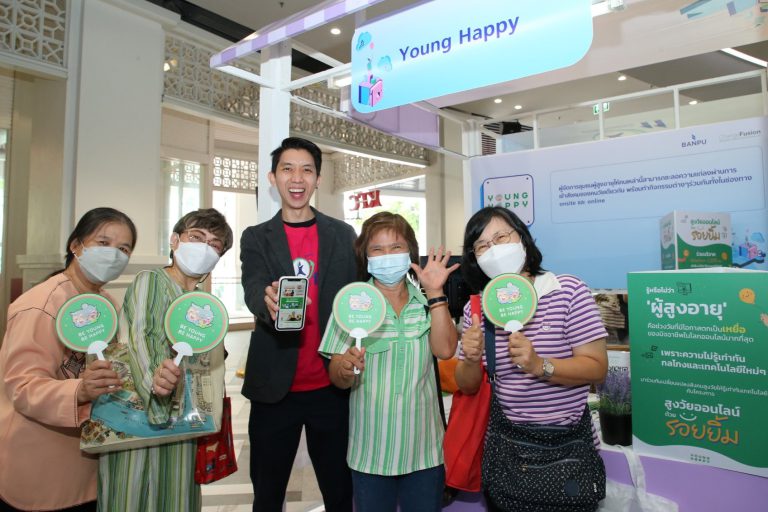
  1. Turn Impact-Driven Business Models into Strategic Assets:SEs with clear social impact models and measurable outcomes are uniquely positioned to attract investment and foster collaborations, even during economic downturns. For instance, YoungHappy (BC4C#8) effectively utilized its strong elderly member base during COVID-19. By transitioning activities online and offering remote healthcare programs, they sustained revenue, expanded their customers’ targets base, and significantly reduced loneliness and depression among over 10,000 elderly individuals nationwide.
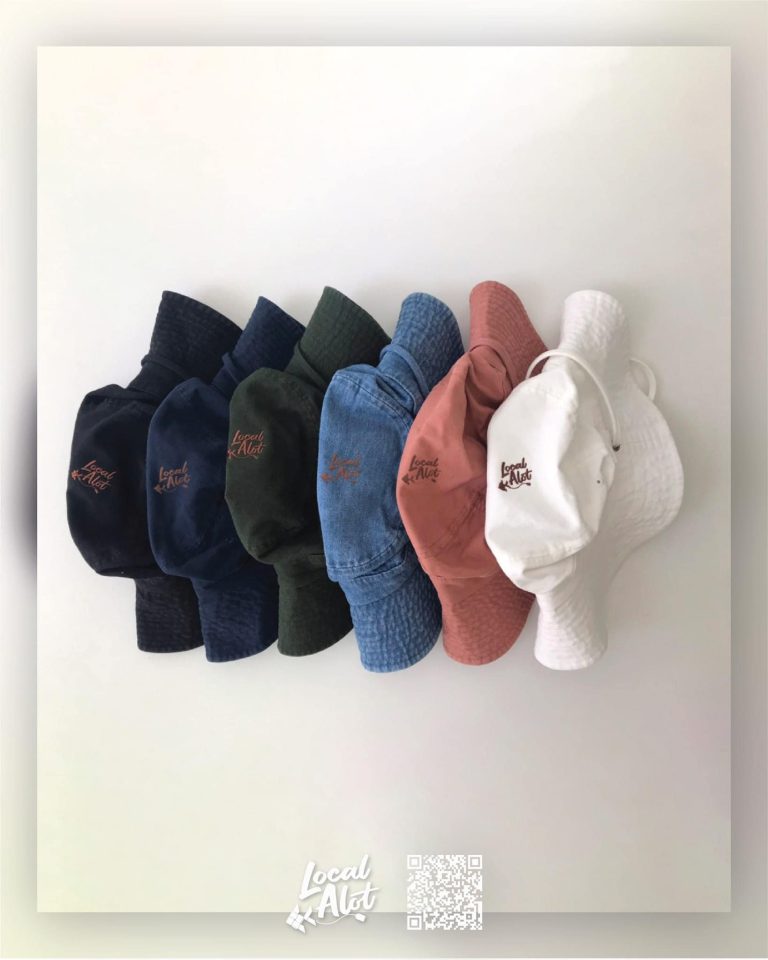
  1. Diversify Revenue Streams to Mitigate Risk:Proactive planning for uncertainty means cultivating multiple income channels. Local Alike (BC4C#2) exemplifies this. Initially dependent on community-based tourism, they skillfully pivoted during the COVID-19 pandemic to develop community product brands, creating a vital new revenue stream for both their organization and local communities.

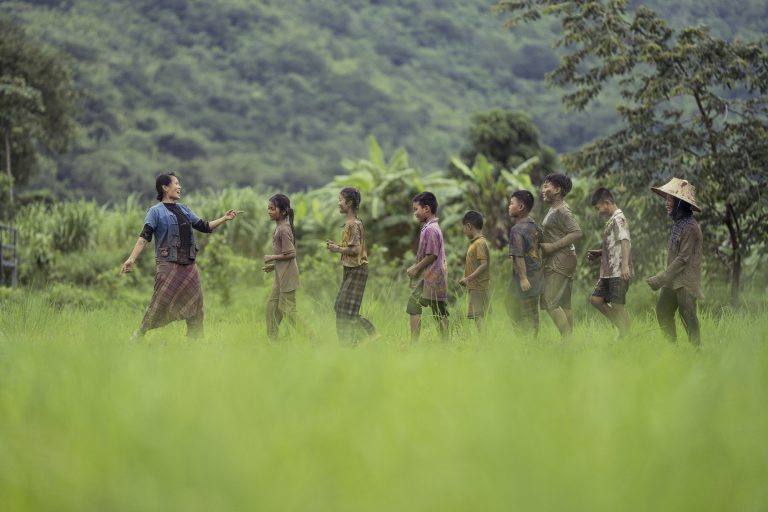
  1. Strengthen Community and Partner Networks as a Crisis Response Tool:SEs often work closely with communities and suppliers. These strong relationships are an advantage for SEs in adapting – whether negotiating conditions, adjusting production formats, or even  co-designing innovative products. Banana Leoi (BC4C #10), formerly Banana Land, collaborated with local villagers during the tourism halt to transform village rice fields into “online rice fields.” This allowed urban consumers to virtually participate in rice cultivation, track progress digitally, and receive organic produce. This model not only replaced lost tourism income but also empowered the community in design, operation, and value delivery, showcasing true foundational collaboration.
  1. Ride the Wave of Macroeconomic Trends:Emerging trends like secondary city tourism and the “return to hometown” movement are fueling demand for localized businesses. This includes the growing consumer preference for organic products and the rise of Eco-Luxury and Nature Positive Tourism, which offer unique experiences and conservation participation. These trends tap into high-potential markets, particularly the luxury segment, which often maintains purchasing power even amidst economic downturns.

  1. Cultivate Ongoing Incubation and Enhancement:Even in a crisis, SEs should prioritize learning and network engagement to continuously enhance their capabilities and stay updated. Banpu Champions for Change (BC4C) program serves as one of the vital mechanisms not just for survival, but for the growth in challenging economic conditions. It provides a platform for development and connects SEs with partner organizations poised to support and strengthen their potential.
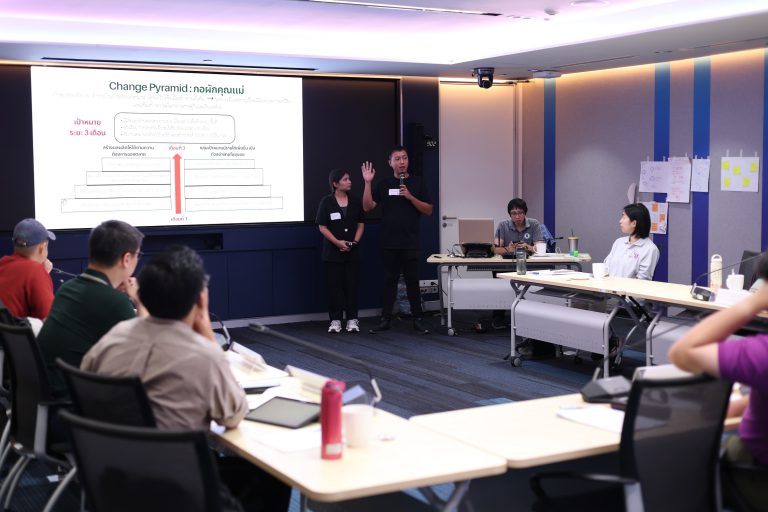
In today’s unpredictable economic climate, sustainable SEs are defined not solely by financial strength, but by their clear purpose. Purpose-driven SEs are inherently more resilient, adept at blending diverse revenue streams, leveraging local strengths for innovation, and embrace new domestic and international opportunities. BC4C, as a dedicated Thai SE incubation program, instills these foundational skills through an entrepreneurial mindset, offering funding, real-world market testing, expert consultation, and integration into a robust ecosystem. This ensures that businesses born from good intentions can evolve into viable, impactful models in the real world.
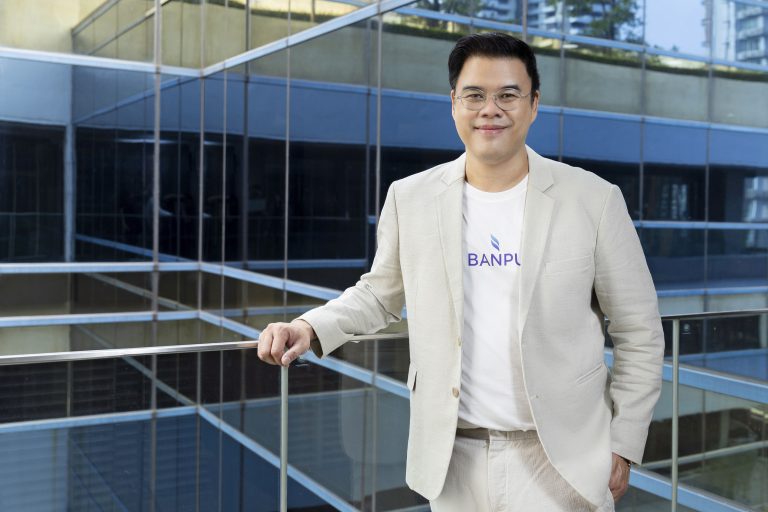
Mr. Rattapon Sukhunthee, Head of Corporate Communications at Banpu Public Company Lim-ited, added “Like any business, SEs face economic crises. A crucial element for survival is resilience – the ability to adapt, find opportunities within challenges, and mitigate impacts for rapid recovery. Beyond continuous product and service improvement, Banpu firmly believes that with systematic support from government and trust from consumers, SEs will transcend their current ‘alternative’ status to become a core driver of tangible, long-term sustainable economic development.”

Stay updated on news and activities under the “Banpu Champions for Change” (BC4C) program via the Facebook page: https://www.facebook.com/banpuchampions, call 087-075-4815, or email banpuchampions@gmail.com.


# # #


About Banpu

Banpu Public Company Limited is a versatile energy company, operating across three core groups of businesses –energy resources, energy generation, and energy technology – with operations in Thailand, Indonesia, China, Australia, Lao PDR, Mongolia, Japan, the United States of America, and Vietnam. The Company leads a responsible and sustainable energy transition by balancing reliable, affordable and sustainable energy

Tags :
For more information,
Please contact Banpu Corporate
Communications Team:
Kamolwan Chiamudom

093-923-6355

Kamolwan_c@banpu.co.th

Thanatchaporn Rangsinturat

099-104-4999

Thanatchaporn_R@banpu.co.th

Solar Farm
Ponder Solar Farm
Texas

Operational

Capacity
(1Q26)

2.5
MW
Banpu Ownership : 100%
Gas-fired Power Plant (HELE/CCGT)
Temple I CCGT Power Plant
Texas

Operational

Installed
capacity
(1Q26)

768
MW
Banpu Ownership : 100%
Temple II CCGT Power Plant
Texas

Operational

Installed
capacity
(1Q26)

755
MW
Banpu Ownership : 100%
Shale Gas Site
Marcellus Shale
Pennsylvania

Operational

Reserves
(2025)

0.6
Tcfe 1P reserves
Banpu Ownership : 65.94%
Barnett Shale
Texas

Operational

Reserves
(2025)

5.5
Tcfe 1P reserves
Banpu Ownership : 65.94%
CCUS Project
Barnett Zero Project
Texas

Operational

Annual CO2
storage capacity
(2025)

183,000
t/yr
Cotton Cove Project
Texas

Operational

Annual CO2
storage capacity
(2025)

32,000
t/yr
CCUS Project
Eagle Ford Project
Southern Texas

Under Development

Annual CO2
storage capacity
(2025)

~90,000
t/yr
East Texas Project
Eastern Texas

Under Development

Annual CO2
storage capacity
(2025)

~70,000
t/yr
BESS Project
Megamouth BESS
Texas

Under Development

Capacity
(2025)

100
MW
200
MWh
Banpu Ownership : 100%
BESS Project
Iwate Tono BESS
Iwate

Operational

Capacity
(1Q26)

15
MW
58
MWh
Banpu Ownership : 75%
BESS Project
Aizu BESS
Fukushima

Under Development

Capacity
(2025)

26
MW
104
MWh
Banpu Ownership : 100%
Tsuno BESS
Miyazaki

Under Development

Capacity
(2025)

26
MW
104
MWh
Banpu Ownership : 70%
Kamigumi-Tokyo BESS
Tokyo

Under Development

Capacity
(2025)

2
MW
8
MWh
Banpu Ownership : 49%
Nikko BESS
Tochigi ​

Under Development

Capacity
(2025)

40
MW
160
MWh
Banpu Ownership : 100%
Hiyoshibaru BESS
Oita​

Under Development

Capacity
(2025)

20
MW
80
MWh
Banpu Ownership : 30%
Solar Power Plant
Olympia Solar
Gunma, Ibaraki and Tochigi

Operational

Capacity
(1Q26)

10
MW
Banpu Ownership : 40%
Yamagata Solar​
Yamagata

Operational

Capacity
(1Q26)

20
MW
Banpu Ownership : 100%
Kesennuma Solar
Miyagi

Operational

Capacity
(1Q26)

20
MW
Banpu Ownership : 100%
Shirakawa Solar​
Fukushima

Operational

Capacity
(1Q26)

10
MW
Banpu Ownership : 100%
Wind Project
Vinh Chau – Phase 1
Soc Trang Province

Under Development

Capacity
(2025)

30
MW
Banpu Ownership : 100%
Solar Power Plant
Nhon Hai Solar
Ninh Thuan Province

Operational

Capacity
(1Q26)

35
MW
Banpu Ownership : 100%
Wind Power Plant
El Wind Mui Dinh
Ninh Thuan Province

Operational

Capacity
(1Q26)

37.60
MW
Banpu Ownership : 100%
Coal Mine
Tsant Uul Mine
South Gobi Province

Operational

Production
(1Q26)

0.57
Mt

Reserves
(2025)

~63.5
Mt
Banpu Ownership : 100%
Coal Project
Unst Khudag Project
Central Gobi Province

Under Development

Reserves
(2025)

540.9
Mt
Banpu Ownership : 100%
Solar Farm
Beryl Solar Farm (BSF)
New South Wales

Operational

Capacity
(1Q26)

110.9
MW
Banpu Ownership : 100%
Manildra Solar Farm (MSF)
New South Wales

Operational

Capacity
(1Q26)

55.9
MW
Banpu Ownership : 100%
Port
NCIG Coal Terminal Port (Newcastle)

Operational

Coal export loading

Coal Mine
Airly Mine
New South Wales

Operational

Production
(1Q26)

0.1
Mt

Reserves
(2025)

13.5
Mt
Banpu Ownership : 100%
Springvale Mine
New South Wales

Operational

Production
(1Q26)

0.7
Mt

Reserves
(2025)

5.3
Mt
Banpu Ownership : 100%
Clarence Mine
New South Wales

Operational

Production
(1Q26)

0.3
Mt

Reserves
(2025)

24.7
Mt
Banpu Ownership : 100%
Mandalong Mine
New South Wales

Operational

Production
(1Q26)

0.5
Mt

Reserves
(2025)

43.9
Mt
Banpu Ownership : 100%
Myuna Mine
New South Wales

Operational

Production
(1Q26)

0.2
Mt

Reserves
(2025)

11.5
Mt
Banpu Ownership : 100%
Angus Place Mine
New South Wales

Care & Maintenance

On care & maintenance

Banpu Ownership : 100%
BESS Project
Wooreen BESS (WESS)
Latrobe Valley

Under Development

Capacity
(2025)

350
MW
1,400
MWh
Banpu Ownership : 50%
Kerang BESS
Latrobe Valley

Under Development

Capacity
(2025)

103
MW
206
MWh
Banpu Ownership : 100%
Coal Project
Newstan Extension Project
New South Wales

Under Development

Reserves
(2025)

51.5
Mt
Banpu Ownership : 100%
Neubecks Mine Project
New South Wales

Under Development

Reserves
(2025)

7.5
Mt
Banpu Ownership : 100%
Wallarah Mine Project
New South Wales

Under Development

Reserves
(2025)

7.8
Mt (equity basis)​
Banpu Ownership : 13.5%
Port
Bontang Coal Terminal
+ 4 ports

Operational

Export loading facility

Coal Project
NPR Mine Project
Central Kalimantan

Under Development

Reserves
(pre-development)

77.4
Mt
Banpu Ownership : 65.14%
Coal Mine
Indominco Mine
East Kalimantan

Operational

Production
(1Q26)

1.6
Mt

Reserves
(2025)

30.4
Mt
Banpu Ownership : 65.14%
Trubaindo Mine
East Kalimantan

Operational

Production
(1Q26)

0.7
Mt

Reserves
(2025)

50.2
Mt
Banpu Ownership : 65.14%
Bharinto Mine
North Barito

Operational

Production
(1Q26)

1.7
Mt

Reserves
(2025)

95.4
Mt
Banpu Ownership : 65.14%
Jorong Mine
South Kalimantan

Operational

Reserves
(2025)

2.3
Mt
Banpu Ownership : 65.14%
Graha Panca Karsa Mine (GPK)
East Kalimantan

Operational

Production
(1Q26)

0.5
Mt

Reserves
(2025)

99.1
Mt
Banpu Ownership : 65.14%
TIS Mine
East Kalimantan

Operational

Production
(1Q26)

0.1
Mt

Reserves
(2025)

7.2
Mt
Banpu Ownership : 65.14%
NPR Mine

Operational

Production
(1Q26)

0.1
Mt

Reserves
(2025)

77.4
Mt
Banpu Ownership : 65.14%
Thermal Power Plant
Hongsa Power Plant – HPC
Xayaboury Province

Operational

Installed Capacity
(1Q26)

1,878
MW
Banpu Ownership : 40%
Thermal Power Plant
BLCP Power Plant
Rayong Province

Operational

Installed Capacity
(1Q26)

1,434
MW
Banpu Ownership : 50%
Solar Project
Jinhu Qianfeng Solar
Jiangsu Province

Under Development

Capacity
(2025)

120
MW
Banpu Ownership : 10%
BESS Project
Jinhu Qianfeng BESS
Jiangsu Province

Under Development

Capacity
(2025)

10
MW
20
MWh
Banpu Ownership : 100%
Thermal Power Plants
Luannan CHP
Hebei Province

Operational

Capacity
(1Q26)

246
MW

Steam
(1Q26)

538
t/hr​
Banpu Ownership : 100%
Zhengding CHP
Hebei Province

Operational

Capacity
(1Q26)

139
MW

Steam
(1Q26)

370
t/hr​
Banpu Ownership : 100%
Zouping CHP
Shandong Province

Operational

Capacity
(1Q26)

223
MW

Steam
(1Q26)

600
t/hr​
Banpu Ownership : 70%
Shanxi Lu Guang (SLG) Power Plant​
Shanxi Province

Operational

Capacity
(1Q26)

1,320
MW
Banpu Ownership : 30%
Solar Power Plant
Huineng Solar
Shandong Province

Operational

Capacity
(1Q26)

21.51
MW
Banpu Ownership : 100%
Jinshan Solar
Shandong Province

Operational

Capacity
(1Q26)

28.95
MW
Banpu Ownership : 100%
Haoyuan Solar
Shandong Province

Operational

Capacity
(1Q26)

20.00
MW
Banpu Ownership : 100%
Hui'en Solar
Shandong Province

Operational

Capacity
(1Q26)

19.70
MW
Banpu Ownership : 100%
Deyuan Solar
Zhejiang Province

Operational

Capacity
(1Q26)

51.64
MW
Banpu Ownership : 100%
Xingyu Solar
Shandong Province

Operational

Capacity
(1Q26)

10.30
MW
Banpu Ownership : 100%
Jixin Solar
Jiangsu Province

Operational

Capacity
(1Q26)

25.22
MW
Banpu Ownership : 100%
Coal Mine
Gaohe Mine
Shanxi Province

Operational

Production
(1Q26)

2.6
Mt

Reserves
(2025)

72.9
Mt
Banpu Ownership : 45%
Hebi Mine
Henan Province

Operational

Production
(1Q26)

0.3
Mt

Reserves
(2025)

40.6
Mt
Banpu Ownership : 40%

IR Contacts